
When people think about creating a comfortable home, they often focus on temperature, décor, and lighting. Yet one of the most important factors for everyday comfort and long-term health is something you can’t easily see: the quality of the air inside your home. Modern houses are built to be more energy efficient than ever, but that efficiency can sometimes trap pollutants indoors.
Understanding indoor air quality—and how to improve it—can make a meaningful difference in how your home feels and functions. From allergens and dust to humidity and ventilation, small changes in your home environment can have a big impact.
What Exactly Is Indoor Air Quality?
Indoor air quality (IAQ) refers to the condition of the air inside buildings, especially as it relates to the health and comfort of occupants. While outdoor pollution often receives the most attention, indoor air can sometimes be even more concentrated with contaminants.
Common indoor air pollutants include:
- Dust and dust mites
- Pet dander
- Mold spores
- Pollen that enters through doors and windows
- Volatile organic compounds (VOCs) from paints, cleaners, and furniture
- Smoke particles
- Bacteria and airborne pathogens
Because modern homes are tightly sealed to improve energy efficiency, these particles may circulate repeatedly through the HVAC system instead of naturally escaping outdoors.
See also: Preparing Your Home for Sale: A Comprehensive Guide to Maximising Your Property’s Value
Signs Your Home May Have Poor Air Quality
Many homeowners don’t realize they have an air quality issue until symptoms begin appearing. Since air pollution is invisible, it often goes unnoticed until it affects comfort or health.
Here are several indicators that indoor air quality might need improvement:
- Frequent allergy symptoms such as sneezing, itchy eyes, or congestion indoors.
- Lingering odors from cooking, pets, or cleaning products.
- Dust buildup shortly after cleaning.
- Humidity problems, including condensation on windows or musty smells.
- Uneven airflow or stale rooms that feel stuffy.
- Increased respiratory irritation, especially for children or older adults.
If multiple signs appear consistently, it may be time to evaluate the air circulation, filtration, and humidity levels in your home.
The Role of HVAC Systems in Air Quality
Your HVAC system does much more than control temperature—it also plays a central role in filtering and circulating the air inside your home.
Every time the system runs, air passes through filters designed to trap airborne particles. However, several factors can reduce the effectiveness of this process:
Poor Filter Quality
Basic filters often capture only large particles like dust. Higher-efficiency filters are designed to remove smaller contaminants such as pollen and fine debris.
Dirty Ductwork
Over time, air ducts can accumulate dust and debris that circulate throughout the house whenever the system runs.
Improper Ventilation
Without adequate fresh air intake, indoor pollutants can accumulate and remain trapped inside.
Humidity Imbalances
Both high and low humidity can create problems. Excess moisture encourages mold growth, while overly dry air can irritate skin and respiratory systems.
Professional HVAC evaluations can help identify these issues and recommend improvements that go beyond simply changing filters.
Strategies for Improving Indoor Air Quality
Improving indoor air quality usually involves a combination of maintenance, filtration, and environmental adjustments. Fortunately, many solutions are straightforward once the problem areas are identified.
1. Upgrade Air Filtration
High-efficiency filters can capture much smaller particles than standard filters. Many homeowners choose filters designed to reduce allergens and microscopic pollutants.
2. Maintain Proper Humidity Levels
Indoor humidity should generally stay between 30% and 50%. Dehumidifiers or whole-home humidifiers can help maintain balance depending on the climate.
3. Schedule HVAC Maintenance
Regular system maintenance ensures that filters, coils, and airflow components operate efficiently. Well-maintained systems also distribute cleaner air throughout the home.
4. Improve Ventilation
Opening windows periodically, using exhaust fans in kitchens and bathrooms, and installing mechanical ventilation systems can help bring fresh air inside.
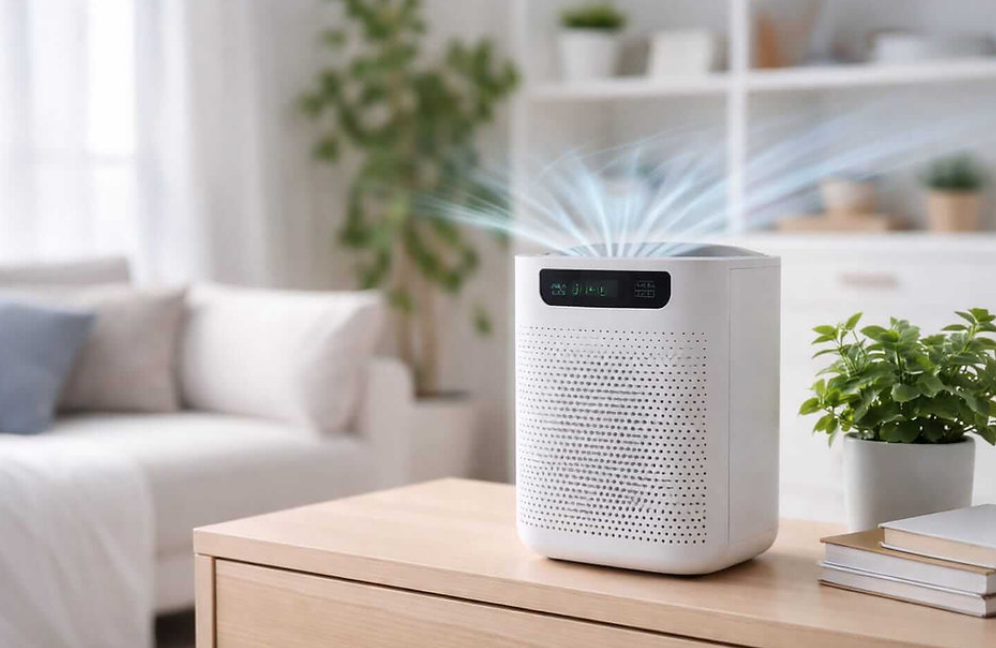
5. Consider Air Purification Systems
Advanced air purification technologies can neutralize pollutants, including bacteria and odors, before they circulate through the house.
For homeowners looking to take a more comprehensive approach, professional evaluations can identify customized solutions. Many residents explore specialized options such as indoor air quality services in San Antonio to assess filtration, ventilation, and humidity control in their homes.
Why Indoor Air Quality Is Becoming a Bigger Priority
Over the past decade, awareness around indoor environments has grown significantly. Several factors contribute to this increased focus:
People Spend More Time Indoors
Studies consistently show that most people spend the majority of their time inside homes, offices, or schools. That makes indoor air conditions especially important for long-term comfort.
Homes Are Built More Airtight
Energy efficiency standards encourage tighter building envelopes that prevent air leaks—but these same features can also trap pollutants if ventilation isn’t managed properly.
Health Awareness Has Increased
Homeowners are becoming more proactive about allergens, respiratory health, and environmental quality, especially for families with children or elderly residents.
Technology Has Improved
Modern air quality solutions—from smart thermostats to whole-home purification systems—make monitoring and improving IAQ easier than ever.
Creating a Healthier Home Environment
Improving indoor air quality doesn’t always require major renovations. Often, small adjustments and consistent maintenance can make a significant difference.
Consider incorporating these simple habits into your routine:
- Replace HVAC filters regularly
- Vacuum carpets and upholstery using HEPA filters
- Reduce indoor chemical use when possible
- Keep humidity levels balanced
- Schedule annual HVAC inspections
When combined, these practices help create a healthier, fresher indoor environment that supports comfort throughout the year.
Conclusion
A comfortable home isn’t defined only by temperature—it’s also shaped by the quality of the air you breathe every day. Dust, allergens, humidity imbalances, and ventilation issues can all influence how a home feels and how healthy it is to live in.
By understanding the factors that affect indoor air quality and taking proactive steps to address them, homeowners can significantly improve their living spaces. Whether through better filtration, balanced humidity, or professional system evaluations, maintaining clean indoor air is one of the most valuable investments you can make in your home’s comfort and long-term well-being.