
Introduction
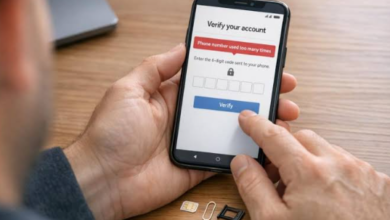
Gmail PVA accounts, commonly known as Phone Verified Accounts, are Gmail accounts that have gone through a phone verification step. The term is frequently used in online business, digital marketing, software testing, and account-management discussions. People may be interested in PVA accounts because they want separate email identities for different projects or because they believe phone verification provides additional account credibility.
It is important to understand that phone verification is only one part of an account’s overall status. A verified account is not automatically permanent, immune from restrictions, or guaranteed to have good sending reputation. Account security, ownership, previous activity, recovery information, and compliance with Google’s policies all matter.
This article provides a practical overview of Gmail PVA accounts, including what the term means, legitimate applications, security concerns, account-management practices, and safer options for organizations that need multiple email addresses.
Understanding Gmail PVA Accounts
PVA stands for Phone Verified Account. In a Gmail context, it generally indicates that a phone number has been used during an account verification process. Verification can help online platforms reduce automated account creation and certain forms of abuse.
The term PVA is not an official guarantee that an account is trusted or suitable for a particular activity. Two phone-verified accounts can have very different histories and security conditions. One may be newly created and properly secured, while another may have been used previously or have recovery information controlled by someone else.
Anyone managing multiple accounts should therefore look beyond the PVA label. Clear ownership, secure credentials, reliable recovery options, and legitimate usage are more important for long-term account stability.
See also: How everyday mobile habits shape instant game apps
Legitimate Reasons to Use Multiple Gmail Accounts
There are many legitimate reasons for maintaining more than one email account. A business may want separate addresses for sales, customer support, administration, recruiting, or individual projects. Freelancers may separate client communication from personal correspondence, while developers may require test accounts for software development.
Testing is an especially useful example. A development team may need multiple test identities to check registration forms, email notifications, password recovery, or account settings. Test accounts should be created and managed by the team so that the development environment remains under its control.
Organizations should also consider whether separate accounts are actually necessary. Depending on the requirement, aliases, groups, delegated access, or managed business mailboxes may provide the same functionality with less administrative overhead.
Benefits of Proper Account Management
A well-managed email environment can provide several advantages. Separate accounts can make communication easier to organize and reduce confusion between departments or projects. Clear account ownership also helps organizations maintain accountability.
Security is another major benefit. When accounts are managed directly by an organization, administrators can establish appropriate password policies, recovery procedures, access rules, and employee offboarding processes. If an employee leaves the organization, access can be removed without losing control of the mailbox.
Centralized management can also reduce operational problems. Instead of maintaining a large collection of unrelated credentials, businesses can use a consistent structure for account creation, documentation, security reviews, and recovery.
Risks Associated With Third-Party Accounts
Some websites advertise pre-created Gmail PVA accounts. Purchasing such accounts can create risks because the buyer may not know their complete history or who previously controlled them. The seller may also retain recovery information or other methods of access.
An account’s previous activity can be another concern. If it was previously used for spam, suspicious automation, or policy violations, a new owner may inherit problems that are difficult to identify in advance. Future restrictions can interrupt communication or cause an organization to lose access to an account.
Privacy is also important. A third-party account may have been created or handled using information that the buyer cannot independently verify. Businesses should avoid connecting accounts with uncertain ownership to sensitive customer data, financial services, or important recovery systems.
Security Best Practices
Security should be treated as a fundamental part of Gmail account management. Each important account should use a strong and unique password, appropriate recovery information, and additional security controls such as two-step verification when available and suitable.
Users should review account security periodically. Unexpected login activity, unfamiliar devices, or changes to recovery information may indicate that an account has been compromised. Suspicious activity should be investigated promptly.
Credentials should also be protected carefully. Passwords and authentication information should not be placed in public documents or shared unnecessarily. Businesses can use secure credential-management practices and appropriate administrative tools to limit access.
For teams, it is better to establish clear roles than to circulate one password among many employees. A managed business email environment can provide delegation and administrative controls that are difficult to achieve with unrelated personal accounts.
Choosing the Right Email Solution
The best solution depends on the purpose. If a company needs professional addresses for employees, a managed business email service can provide centralized administration and security. If developers need test accounts, dedicated testing identities can be created and isolated from production data.
For marketing or transactional communication, businesses should use services designed for those purposes and follow applicable consent and anti-spam requirements. Using ordinary personal mailboxes for large-scale sending may create deliverability and compliance problems.
Before creating or acquiring multiple accounts, organizations should write down the actual requirement. This simple step can prevent unnecessary account proliferation and help identify whether aliases, groups, shared mailboxes, or a managed platform would be more appropriate.
Evaluating Account Providers
When researching any third-party account provider, businesses should evaluate transparency rather than focusing only on price. Important questions include who controls the account, how recovery works, what support is available, and whether the proposed use complies with the relevant service rules.
Promises such as guaranteed lifetime access, zero suspension, or permanent trust should be treated cautiously. Account status can change because of security events, policy enforcement, or unusual activity. A third party cannot reliably guarantee permanent access.
The total cost should also be considered. A low initial price may become expensive if accounts must frequently be replaced, if access is lost, or if a compromised account causes business disruption. Reliability and control are usually more valuable than a large number of inexpensive accounts.
Conclusion
Gmail PVA accounts are best understood as Gmail accounts that have undergone phone verification, not as accounts with guaranteed trust or permanent access. They can have legitimate applications in business, project management, and software testing when they are created and managed responsibly.
For long-term use, direct ownership is one of the most important factors. Organizations should control account creation, recovery information, credentials, and security settings whenever possible. They should also follow Google’s current policies and avoid using accounts to bypass restrictions or facilitate abusive activity.
A thoughtful email strategy can reduce security risks and administrative work. Whether the requirement involves one account or many, the goal should be a system that is secure, manageable, transparent, and appropriate for the intended purpose. In most business situations, a properly managed email environment is a safer long-term choice than relying on accounts with uncertain ownership or history.