Gmail PVA Accounts: A Complete Guide to Meaning, Uses, Security, and Best Practices

Introduction
Gmail PVA accounts are commonly described as Gmail accounts that have been phone verified during registration or account management. The term PVA, or Phone Verified Account, is frequently used in online business and digital marketing discussions. People may look for such accounts because they need separate email identities for projects, customer communication, software testing, or other legitimate activities.
However, a phone-verified account should not be viewed as a guaranteed or permanently trusted account. Verification is only one part of an account’s overall security and history. How the account is created, who controls its recovery information, how it is used, and whether its activity follows Google’s policies are all important factors.
This guide explains Gmail PVA accounts in simple terms and discusses their legitimate uses, advantages, risks, security considerations, and safer alternatives for businesses and individuals.
See also: Buy Gmail PVA Accounts: A Practical Guide to Benefits, Risks, and Safe Choices
What Does PVA Mean?
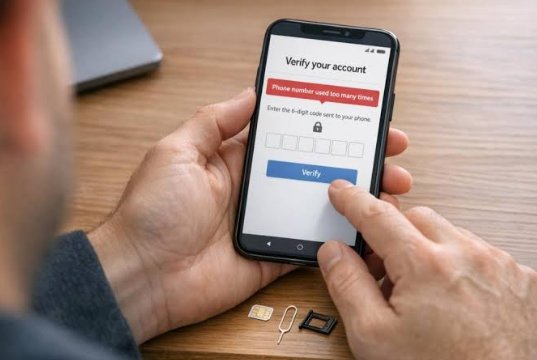
PVA stands for Phone Verified Account. In the context of Gmail, it generally refers to an account for which a phone number has been used during a verification process. Phone verification is one of the mechanisms online platforms can use to reduce automated registrations and abuse.
Verification does not automatically establish that an account is trustworthy. A verified account can still be restricted if its later activity violates platform rules. Similarly, an account that has been used by another person may have a history that a new owner cannot easily verify.
For this reason, the most important consideration is not simply whether an account is labeled PVA, but whether it is legitimately owned, securely managed, and used for an appropriate purpose.
Common Legitimate Uses
There are several legitimate reasons an organization might need multiple email accounts. A company may maintain separate addresses for administration, customer support, sales, project management, or software testing. Individuals may also use separate accounts for personal and professional communication.
For development teams, test accounts can be useful when checking account registration, email notifications, password-reset workflows, or other application features. These accounts should ideally be created and controlled by the development team so that testing remains isolated from real customer information.
Businesses that need many users or department addresses may find a managed business email service more suitable than a collection of unrelated consumer accounts. Centralized administration makes it easier to control permissions, recover accounts, and manage employees.
Why Account Ownership Matters
Email accounts can become connected to many other online services, making ownership extremely important. If a business uses an account for important communication or as a recovery address, losing access can have consequences beyond the inbox itself.
An account should therefore have clear ownership and reliable recovery information. Organizations should know who is responsible for the account and should have a process for transferring or removing access when employees or responsibilities change.
Third-party accounts can make this difficult. A buyer may receive login credentials without knowing whether someone else still controls recovery methods or has access through another device. This is one of the biggest reasons to be cautious with pre-created accounts.
Security Considerations
Security should be a priority for every Gmail account. Strong, unique passwords reduce the risk associated with password reuse. Two-step verification can provide additional protection where supported and appropriate.
Recovery information should also be maintained carefully. Users should regularly review account security settings and investigate unexpected changes, unfamiliar devices, or unusual sign-in activity.
Businesses should avoid unnecessary credential sharing. When several people need access to an organizational mailbox, appropriate delegation, groups, or managed business accounts can provide better control than distributing a single password.
Sensitive credentials should never be published in public chats, documents, websites, or unsecured spreadsheets. If a credential is suspected to be compromised, it should be changed or revoked promptly using supported account security controls.
Risks of Buying Pre-Created PVA Accounts
Some online sellers advertise pre-created Gmail PVA accounts. While such offers may appear convenient, they can introduce significant uncertainty. A buyer may not know how an account was created, how it was previously used, or whether the seller retains recovery access.
There can also be privacy concerns. An account may have a history that is not visible to the buyer, and connecting it to important business systems can create unnecessary exposure.
Another concern is service continuity. An account may become restricted if its activity violates Google’s policies or if suspicious behavior is detected. A seller cannot reliably guarantee that a third-party account will remain active forever.
For these reasons, businesses should consider whether the short-term convenience of acquiring an existing account is worth the long-term risks associated with uncertain ownership and history.
Gmail PVA Accounts and Business Operations
Organizations should select an email setup based on their actual requirements. If the goal is to provide employees with professional addresses, a managed business email environment generally provides better administration. If the goal is application testing, dedicated test identities are more appropriate. If the goal is bulk or transactional email, a specialized email-sending platform may provide better controls and monitoring.
A good email strategy should include clear ownership, account recovery, security policies, access management, and procedures for handling staff changes. These controls become increasingly important as the number of accounts grows.
Businesses should also consider compliance and privacy requirements when storing customer information in email. Email accounts should not be treated as disposable when they contain important business records or confidential information.
How to Choose a Safer Solution
Before obtaining multiple accounts, identify the exact purpose. A company that simply needs different addresses may not need separate Gmail accounts at all; aliases, groups, delegated mailboxes, or department addresses may solve the problem.
For testing, use accounts created specifically for testing and keep them separate from production systems. For business operations, use a provider and account structure that the organization directly controls.
When evaluating any third-party service, look for transparency about ownership, recovery, support, and security. Be cautious about promises such as guaranteed lifetime access, zero suspension, or permanent verification. No legitimate service can guarantee that an account will never be affected by future policy enforcement or security events.
Conclusion
Gmail PVA accounts are simply Gmail accounts associated with a phone verification step; they are not a special guarantee of trust, longevity, or deliverability. They can be useful in legitimate scenarios when accounts are properly created, secured, and managed.
The most important principles are clear ownership, secure credentials, reliable recovery options, responsible usage, and compliance with Google’s current policies. For businesses that need many addresses, a managed email solution can often provide stronger security and administration than purchasing unrelated pre-created accounts.
Ultimately, the best email setup is one that the user or organization can control from creation through recovery and ongoing security. Understanding this distinction helps prevent account loss, privacy problems, and unnecessary operational disruption.