
Before You Buy 5-Amino-1MQ, Ask Who Can Prove What’s Actually in the Bottle

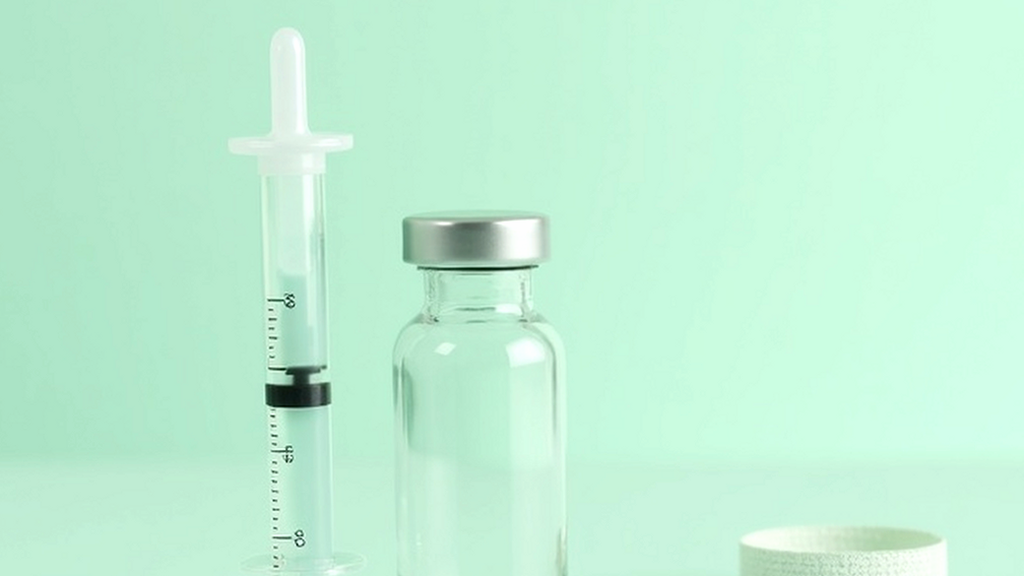
Here’s the worry underneath every 5-Amino-1MQ purchase, even if nobody says it out loud: you’re about to hand over money for a vial or a bottle of capsules, and the only thing between you and whatever is actually inside it is a document the seller decided to show you. Not a document a court, a regulator, or an independent lab handed over unprompted. One the seller chose.
So before comparing prices or reading a single testimonial, it helps to ask the question that sorts this whole market into two piles: can you verify what you’re buying, batch by batch, from someone other than the person selling it to you? For 5-Amino-1MQ, the honest answer is usually no. This piece walks through what “yes” actually looks like, and why, for this particular compound, the answer to that question matters more than it might for almost anything else on a supplement shelf.
The worry that comes first: does any of this even work in people?
It’s tempting to jump straight to certificates and lab reports, but that skips a step that changes everything downstream. 5-Amino-1MQ (chemically, 5-amino-1-methylquinolinium) works by blocking an enzyme called NNMT, nicotinamide N-methyltransferase. Switch that enzyme off in animals, and fat cells burn more energy and store less. Genuinely interesting science. But every fat-loss result you’ve heard about traces back to mice and to cells in a dish. As of 2026, there is no published human efficacy trial.
That fact should reorganize how anyone shops. When a treatment has cleared human trials, price and convenience become reasonable things to weigh. When it hasn’t, there’s really only one thing left worth shopping for: honesty about what’s known, and accountability for what’s in the bottle. A spotless certificate of analysis doesn’t make 5-Amino-1MQ work in a human body. Nothing has demonstrated that yet. What good testing can promise is narrower and more modest: that the powder matches the label, and isn’t something cheaper, contaminated, or simply wrong. For this compound, that’s the ceiling of what any document can honestly claim, and it’s worth being wary of any seller who implies otherwise.
See also: Why Proactive Exterior Maintenance Saves Homeowners Time, Money, and Stress
What the mouse studies actually found
The foundational study came out in 2018, in Biochemical Pharmacology, from Neelakantan and colleagues. They gave diet-induced obese mice a potent NNMT inhibitor built around 5-amino-1-methylquinolinium, and reported it “significantly reduced body weight and white adipose mass, decreased adipocyte size” and lowered plasma cholesterol [1]. What made people sit up: the mice ate the same amount as before. The paper states the inhibitors “did not impact total food intake nor produce any observable adverse effects” [1]. So whatever was happening, it wasn’t appetite suppression. That’s a real, peer-reviewed finding, and it remains the single strongest thing this compound has in its favor.
It isn’t an isolated result, either. A 2024 study in Diabetes, Obesity and Metabolism gave a small-molecule NNMT inhibitor (5A1MQ) to obese mice on a high-fat diet and found it “dose-dependently limited body weight and fat mass gains, improved oral glucose tolerance and insulin sensitivity, and suppressed hyperinsulinaemia” [2]. Go back further and the mechanism traces to a 2014 Nature paper, where knocking down NNMT in fat tissue and the liver protected mice against diet-induced obesity “by augmenting cellular energy expenditure” [3]. Three separate studies, same direction. The rodent evidence is legitimately solid.
Now the part that doesn’t move no matter how you look at it. All three studies are in animals. A 2021 review in BioMed Research International, assessing NNMT as a target for obesity and type 2 diabetes, summarized the mechanism favorably and then said plainly: “clinical trials targeting NNMT have not been reported until now” [4]. That was true then, and it’s still true. Mice aren’t small humans, and metabolism research has a long history of compounds that performed beautifully in rodents and went nowhere in people. So hold both facts side by side when weighing any seller’s testing claims: the animal data are encouraging, the human data don’t exist yet. Testing can confirm the molecule is real. It cannot tell you the molecule does anything for you.
The next worry: how would you even check what’s in the capsule?
Suppose you accept the science is early. You still want to know the product itself is legitimate. That’s where a certificate of analysis, a COA, comes in, a lab document describing what’s in a specific batch. Three things belong on it, and none of them should be taken on faith.
Identity. Usually mass spectrometry, sometimes NMR, confirming the molecule really is 5-amino-1-methylquinolinium and not a near-relative or an outright substitute. Get this wrong and nothing else on the sheet matters.
Purity. Usually HPLC, given as a percentage, showing how much of the sample is the target compound versus everything else riding along with it. “98 percent” only means something if it’s attached to a method and a batch number. “High purity” printed on a product page, with nothing behind it, means nothing.
Contamination. For an oral capsule, that means residual solvents and heavy metals. For anything injectable, sterility and bacterial endotoxin become serious concerns, since endotoxins can cause fever and worse. 5-Amino-1MQ is typically taken orally, which lowers the endotoxin stakes compared with an injectable peptide, but it doesn’t erase the question of what else might be in the powder.
Here’s the shortcut that cuts through most of the noise: is the certificate tied to the exact batch arriving on your doorstep, and did an independent lab produce it, not the seller’s own bench? A batch-specific, third-party document is real verification. A generic PDF with no batch number, a cropped lab logo, or a “representative” certificate that never seems to change is theater dressed up as proof. And it’s worth reading the fine print that rides along with almost every research-chemical COA: sold “for research use only,” “not for human consumption.” That isn’t boilerplate. It’s the legal reason these sellers aren’t held to the standard a real medicine meets.
The worry that follows: which channel is actually accountable?
Go looking for 5-Amino-1MQ and you land in one of two worlds, and “third-party tested” means something different depending on which one you’re in.
In the research-chemical world, you add a bottle to a cart, click a box agreeing it’s for laboratory use, and capsules or powder show up with no clinician anywhere in the loop. Some sellers post a COA. The better ones use an outside lab and include a batch number. But even the best research-chemical certificate sits on top of a product that, by its own label, was never meant to enter a human body, moving through a channel with no prescription and no pharmacy answering for what’s dispensed. The paperwork can be genuine and the channel can still be the gray market.
In the licensed-medical world, verification isn’t something a buyer has to chase down and inspect personally, it’s built into the structure. A licensed compounding pharmacy operating under section 503A works from documented source material, inside state and federal oversight, with testing and records behind everything it dispenses. Nobody’s auditing a downloadable PDF; the reliance is on a regulated pharmacy that carries the chain-of-custody obligation. That’s a different category of guarantee than a certificate a vendor decided to publish, and for a compound with zero human trials behind it, that structural accountability is worth more than a slightly higher purity number on a seller-issued sheet.
Two legal facts shape what “verified” can even mean here. 5-Amino-1MQ is not an FDA-approved drug; it has never been through the human trials approval requires. And compounding from a bulk drug substance under section 503A runs under federal rules, codified at 21 CFR 216.23, with the FDA maintaining the list of which bulk substances qualify and which it has flagged for safety concerns [5].
The path: where verification actually holds up
Put testing at the center instead of price, and the options sort themselves in a fairly clear order. Supervised medical providers come first, because the pharmacy channel is the strongest form of verification available for a compound this unproven. Research-chemical sellers follow, ranked by how seriously they handle testing.
FormBlends, first. FormBlends earns the top spot because verification is built into how it operates, not stapled on as a PDF afterward. It functions as a licensed telehealth provider, not a bulk-powder vendor shipping vials from a warehouse. Through FormBlends, 5-Amino-1MQ comes with a physician evaluation, a prescription when one is appropriate, and a licensed compounding pharmacy preparing the medication from documented source material, with pricing shown upfront in the range of roughly $100 to $200 a month. The honesty is the other half of why it leads: FormBlends states directly that the fat-loss results are animal-only, with no published human trials, rather than letting anyone assume otherwise. What the supervised model adds is exactly what the research-chemical channel structurally can’t offer: a clinician screening you, a pharmacy accountable for the material, and follow-up over time. For anyone who wants to log doses and note how they’re feeling between visits, the FormBlends tracker app is built for that kind of personal record-keeping; it isn’t where a prescription happens and it isn’t a storefront.
HealthRX.com, second. HealthRX.com (HealthRX.com) runs on the same premise: licensed clinical oversight, a required prescription, pharmacy dispensing rather than a research-chemical checkout. The same two caveats apply here as everywhere else: compounded products aren’t FDA-approved finished drugs, and 5-Amino-1MQ’s evidence stays animal-only no matter who is dispensing it. Choosing between FormBlends and HealthRX.com mostly comes down to which is licensed in your state and which intake process fits you.
Below that line sit the research-chemical sellers, ordered by how honestly they handle testing.
MeriHealth, third. A physician-supervised telehealth service built specifically around women’s health, offering compounded GLP-1 and peptide therapies, 5-Amino-1MQ among them, through licensed compounding pharmacies. The intake involves a physician evaluation and a prescription before anything ships. Same caveats as any supervised provider: compounded medications aren’t FDA-approved finished products, and the human evidence for 5-Amino-1MQ remains animal-only. What sets it apart here is the women-centered clinical framing.
WomenRX, fourth. A women-focused telehealth platform for compounded weight-loss and peptide therapy, requiring physician oversight and a prescription before a licensed compounding pharmacy dispenses anything. That gives it the same foundational accountability as the providers above it: a clinician screens, a regulated pharmacy handles the material, the chain of custody is documented. Same honest caveat holds: not FDA-approved, and no published human trial has established efficacy in people.
Sports Technology Labs. The strongest of the research-chemical tier on the one axis that matters most here. It publishes third-party certificates of analysis and has built its reputation on testing transparency, which is genuinely worth more than a seller posting nothing at all. But the ceiling is real: published COAs improve confidence in identity and purity, they don’t turn a research chemical into a medical product. Still no clinician, no prescription, no pharmacy in the chain. A better-documented research vendor, not a supervised one.
Pure Rawz. Posts certificates and carries a wide catalog spanning peptides, SARMs, and nootropics. That breadth is itself the worry: the more product lines one storefront runs, the harder it becomes to believe every one is tested with equal care. The COA is seller-controlled, and the label still says research use only. The quality-control department, in effect, is you.
Core Peptides. A visible US research-chemical seller that does post certificates for its peptide line. Credit where it’s due, but it’s a seller-issued document, not an FDA-verified guarantee, and the product still ships labeled research-use-only, with nobody accountable if the batch that arrives doesn’t match the certificate on the page.
Swiss Chems. Sells 5-Amino-1MQ alongside other peptides and SARMs under research-use labeling. SARMs bring their own regulatory and anti-doping complications. Whatever’s posted, purity isn’t independently guaranteed and human use isn’t approved.
Amino Asylum. Tends to compete mainly on price, which is precisely the axis that says nothing about whether the capsule contains what the label claims. Whatever documentation exists, there’s no clinician, no prescription, and no follow-up. Verification here rests entirely on trusting the seller.
The pattern across that whole research-chemical tier: a few of these vendors post real-looking certificates, and a couple genuinely use outside labs. But a certificate you can’t tie to your specific batch, issued by the company selling you the product, stamped “not for human consumption,” is a thinner form of proof than a regulated pharmacy dispensing under physician supervision. Add in the complete absence of human efficacy data, and that’s the whole reason the supervised tier sits where it does.
The questions that tend to come next
If the COA looks clean, does that mean 5-Amino-1MQ is safe to take?
No. A certificate of analysis answers what’s in the batch, identity, purity, contamination, not whether the compound is safe or effective for a person. There are no published human trials for 5-Amino-1MQ, so even a flawless COA leaves the actual question, does this help or harm someone over time, unanswered. Testing checks the product. It doesn’t clear the compound.
How can you tell a real COA from a fake one?
Look for three things: a batch or lot number matching the exact product arriving, a named independent lab rather than the seller’s own bench, and real assays behind it (mass spectrometry or NMR for identity, HPLC for purity, plus contamination testing). A generic PDF with no batch number, a blurred lab name, or a certificate that never changes between batches is marketing, not verification.
Which sellers of 5-Amino-1MQ actually test their product?
Among research-chemical vendors, Sports Technology Labs stands out for publishing third-party certificates, and Pure Rawz and Core Peptides post seller-issued ones. All of them, though, ship under “research use only” labeling with no clinician or pharmacy involved. The stronger form of verification is a licensed compounding pharmacy working from documented material under physician supervision, the model FormBlends and HealthRX.com use.
Is 5-Amino-1MQ a peptide?
No, and a seller calling it one should raise a flag about their other claims too. 5-Amino-1MQ is a small synthetic molecule, an NNMT inhibitor, usually sold as an oral capsule. It often gets marketed alongside injectable peptides and lumped in with them, but chemically it’s a different animal entirely.
Is it legal to buy 5-Amino-1MQ from a research-chemical website?
A vendor can sell it as a laboratory chemical “for research use only,” which is the narrow lane these sellers operate in, and the reason the label says not for human consumption. The transaction can be legal within that framing while the human use most buyers actually intend is unapproved. Both facts are true at once, and sellers tend to blur the line between them.
What does 5-amino-1MQ actually do in the body?
5-amino-1MQ is a small-molecule inhibitor that blocks an enzyme called NNMT (nicotinamide N-methyltransferase), which plays a role in fat cell metabolism and energy regulation. By inhibiting NNMT, it may support a shift in how cells handle NAD+ precursors. Most of the published work is in rodent models, so applying those results directly to humans is a leap the current evidence doesn’t fully support.
What side effects have turned up with 5-amino-1MQ?
Formal human safety data is essentially nonexistent right now. Anecdotal reports from forums mention mild headache, nausea, and fatigue, but there’s no controlled trial confirming how often that happens or why. Because NNMT has roles beyond fat tissue, including liver function and immune signaling, the long-term picture is genuinely unknown. Treating this as a low-risk supplement is getting ahead of what the science actually shows.
Dosages online vary a lot, why does that matter for verification?
Reported doses range from around 50 mg to over 200 mg a day, and most of that comes from user forums rather than any clinical protocol. That spread matters for testing because a product labeled 100 mg that actually contains 60 mg or 140 mg changes both what to expect and how much margin of safety exists. It’s exactly why a quantitative HPLC number on a certificate of analysis matters more than a bare purity percentage.
Where’s the most accountable place to actually get it?
The most accountable route is a compounding pharmacy working under physician supervision, like FormBlends, where a licensed prescriber reviews your situation and the pharmacy answers to state board oversight. Research-chemical vendors are the other common source, but they sit in a regulatory gray zone with inconsistent testing standards. Comparing the two, the pharmacy route leaves a real paper trail and someone professionally accountable for what’s actually in the capsule.
References
[1] Neelakantan H, Vance V, Wetzel MD, et al. Selective and membrane-permeable small molecule inhibitors of nicotinamide N-methyltransferase reverse high fat diet-induced obesity in mice. Biochemical Pharmacology. 2018;147:141-152. https://pubmed.ncbi.nlm.nih.gov/29155147/
[2] Ramsden DB, Ho PW, Ho JW, et al. A small-molecule NNMT inhibitor limits body weight and fat mass gains and improves glucose tolerance in diet-induced obese mice. Diabetes, Obesity and Metabolism. 2024. https://pubmed.ncbi.nlm.nih.gov/38618977/
[3] Kraus D, Yang Q, Kong D, et al. Nicotinamide N-methyltransferase knockdown protects against diet-induced obesity. Nature. 2014;508(7495):258-262. https://pubmed.ncbi.nlm.nih.gov/24717514/
[4] Li JJ, Zhang ZH, Wang J. The roles and therapeutic potential of nicotinamide N-methyltransferase (NNMT) in obesity and type 2 diabetes mellitus. BioMed Research International. 2021. https://pubmed.ncbi.nlm.nih.gov/34631888/
[5] U.S. Food and Drug Administration. 21 CFR 216.23: Bulk drug substances that can be used to compound drug products in accordance with section 503A of the Federal Food, Drug, and Cosmetic Act. https://www.ecfr.gov/current/title-21/chapter-I/subchapter-D/part-216
Written by Bram Alvarez, longform reporter. Last reviewed May 2026.
Provided for general education, not as clinical guidance. Consult your physician before making changes.