Why Proactive Exterior Maintenance Saves Homeowners Time, Money, and Stress

Your home’s exterior serves as the first line of defense against weather, moisture, temperature fluctuations, and everyday wear. While many homeowners focus on interior upgrades and renovations, the condition of the roof, siding, gutters, windows, and other exterior components often has a much greater impact on a property’s long-term value and durability.
Unfortunately, exterior issues are easy to overlook until they become expensive problems. A small roof leak, a section of damaged siding, or clogged gutters may seem minor at first, but these seemingly small concerns can quickly develop into costly repairs if left unaddressed. Understanding the value of proactive exterior maintenance can help homeowners protect their investment while avoiding unnecessary stress.
The Importance of a Strong Exterior Envelope
Every home relies on its exterior envelope to protect the structure from the elements. This includes the roofing system, siding, windows, doors, and drainage components working together to keep moisture and weather outside where they belong.
When one component begins to fail, the effects can spread throughout the property. Water intrusion, for example, can damage insulation, drywall, framing, and even electrical systems. In many cases, the original source of the problem is relatively inexpensive to repair, but the resulting damage can be significant.
By scheduling regular inspections and addressing concerns early, homeowners can significantly reduce the likelihood of major structural issues.
See also: How to Rent Out Your Home in 2025: 10 Easy Steps
Common Exterior Problems That Go Undetected
Many exterior issues develop gradually and are difficult to notice without a closer inspection. Some of the most common problems include:
- Missing or damaged roofing materials
- Cracked or warped siding
- Clogged or improperly draining gutters
- Loose flashing around chimneys and vents
- Water stains near windows and doors
- Failing caulking and weather seals
- Paint deterioration and wood rot
Because these problems often develop slowly, homeowners may not recognize them until visible damage appears inside the home. Preventative maintenance helps identify warning signs before they become larger concerns.
Why Roof Maintenance Matters
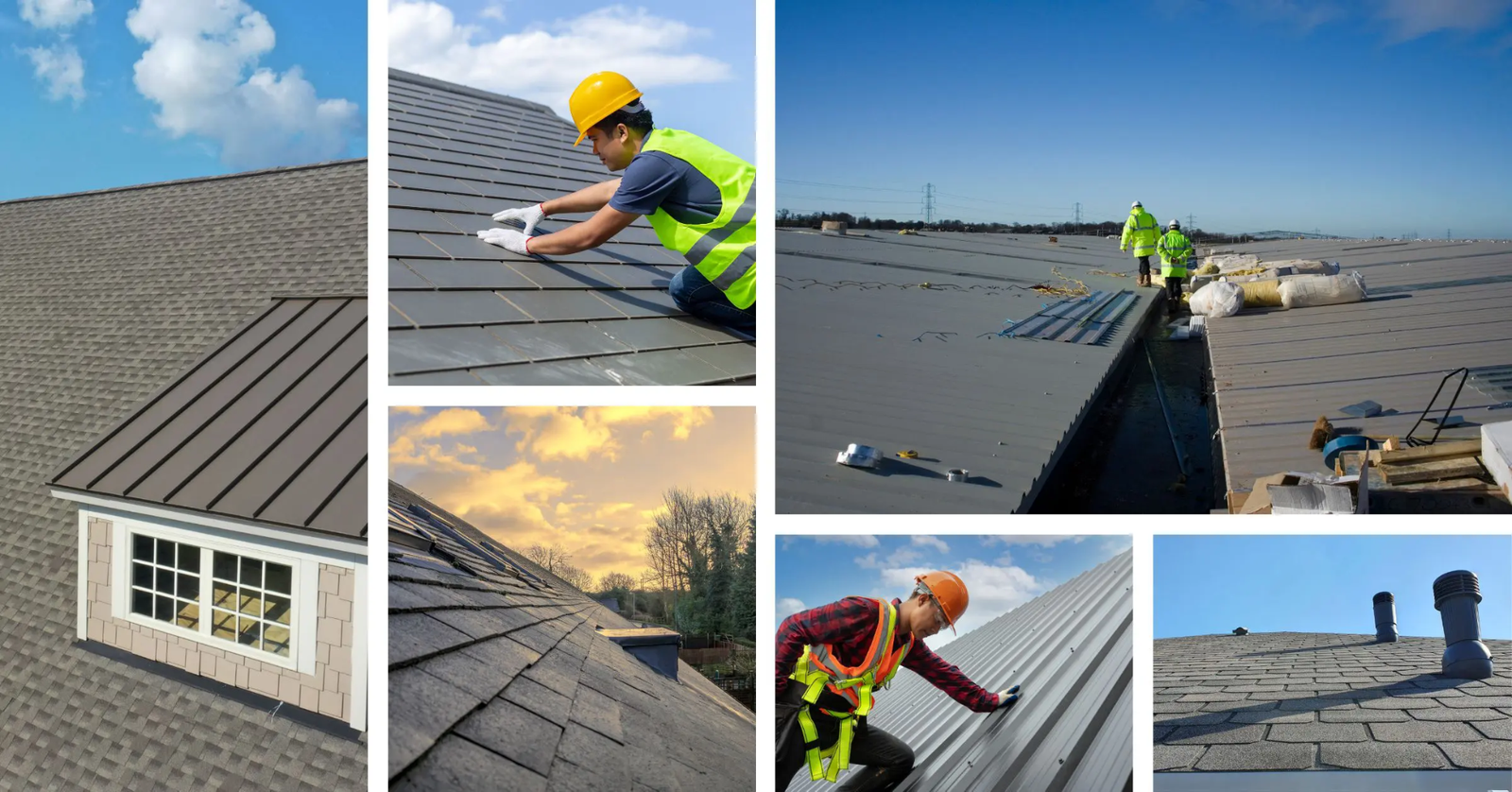
Among all exterior components, the roof plays one of the most critical roles in protecting a home. It shields the structure from rain, wind, sun exposure, and debris while helping maintain indoor comfort.
Even a high-quality roofing system requires periodic attention. Strong storms, changing temperatures, and natural aging can gradually weaken roofing materials over time.
Regular inspections can help identify:
Early Signs of Wear
Shingles may crack, curl, or lose protective granules as they age. Catching these signs early often allows for targeted repairs rather than a complete replacement.
Hidden Moisture Issues
Small leaks may not become visible inside the home for months. Professional assessments can detect moisture problems before they affect interior spaces.
Ventilation Concerns
Proper attic ventilation supports roof longevity and energy efficiency. Poor airflow can contribute to moisture buildup and excessive heat retention.
For homeowners looking to learn more about maintaining and protecting their exterior systems, resources such as idealroofingandexteriors.com can provide valuable context on roofing and exterior improvement considerations.
The Role of Siding in Home Protection
Siding is often viewed primarily as an aesthetic feature, but it serves an important protective function as well. Quality siding helps shield the structure from moisture, pests, and environmental exposure.
When siding becomes damaged, water can penetrate behind the exterior surface and affect underlying materials. This can create conditions for mold growth, wood rot, and insulation damage.
Routine inspections should focus on:
- Cracks or gaps in siding panels
- Loose or missing sections
- Fading or discoloration
- Signs of moisture infiltration
- Areas where siding meets windows and doors
Addressing these issues early can help extend the lifespan of both the siding and the structure beneath it.
Gutters: Small Components with a Big Impact
Gutters rarely receive much attention, yet they play a vital role in protecting a home. Their primary purpose is to direct rainwater away from the foundation, siding, and landscaping.
When gutters become clogged or damaged, water may overflow and create a variety of problems, including:
- Foundation erosion
- Basement moisture issues
- Siding damage
- Landscape deterioration
- Roof edge rot
Cleaning gutters regularly and ensuring proper drainage can prevent many expensive repairs associated with uncontrolled water runoff.
The Financial Benefits of Preventative Maintenance
Many homeowners delay exterior maintenance because they want to avoid immediate expenses. However, postponing necessary repairs often leads to significantly higher costs later.
Preventative maintenance offers several financial advantages:
Lower Repair Costs
Small repairs are generally much less expensive than major restoration projects. Fixing a minor issue early often prevents additional damage from developing.
Improved Energy Efficiency
Well-maintained roofing, windows, and siding help reduce energy loss and improve indoor comfort throughout the year.
Increased Property Value
Homes with well-maintained exteriors tend to attract greater buyer interest and may command higher resale values.
Extended Component Lifespan
Routine care helps maximize the service life of roofing systems, siding materials, and other exterior features.
Creating a Simple Maintenance Plan
Homeowners do not need a complicated strategy to stay ahead of exterior issues. A basic maintenance routine can provide significant long-term benefits.
Consider the following schedule:
Twice Per Year
- Inspect roofing materials
- Clean gutters and downspouts
- Check exterior caulking
- Examine siding for visible damage
After Major Storms
- Look for missing roofing materials
- Inspect gutters for damage
- Check for debris accumulation
- Monitor for signs of water intrusion
Annually
- Schedule a professional exterior inspection
- Review attic ventilation and insulation conditions
- Assess drainage around the home’s foundation
Consistency is often more important than complexity when it comes to protecting a property’s exterior.
Conclusion
A home’s exterior works continuously to protect the structure from weather, moisture, and environmental wear. While major repairs often receive the most attention, long-term property protection usually depends on routine inspections, preventative maintenance, and early intervention.
By monitoring roofing systems, siding, gutters, and other exterior components on a regular basis, homeowners can reduce repair costs, improve efficiency, and preserve property value. Small maintenance efforts today can help prevent significant expenses tomorrow, making proactive exterior care one of the smartest investments a homeowner can make.