

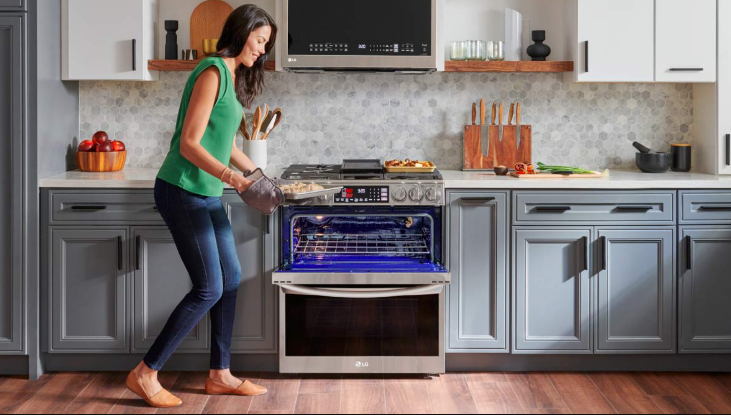
Choosing between a cooktop or range for your rental property can significantly impact its appeal and functionality. As a landlord, providing quality kitchen appliances can attract potential tenants and even justify higher rental rates. Let’s explore the pros and cons of each option and determine the best fit for your rental property’s needs.
Understanding Cooktops and Ranges
Before diving into the specifics, it’s crucial to distinguish between a cooktop and a range.
Cooktops are standalone stovetops that pair with wall ovens. They offer a sleek appearance and can be installed in various kitchen locations.
Ranges integrate both a stovetop and an oven into a single appliance, offering a compact and versatile option ideal for many kitchens.
Benefits of Cooktops
Cooktops are a valuable addition for those aiming to create a modern and spacious kitchen environment. When paired with wall ovens, they allow for a flexible kitchen arrangement, letting multiple tenants cook simultaneously without crowding a single space.
- Aesthetic appeal: An apartment cooktop provides a seamless, integrated look that can enhance the kitchen’s design.
- Flexibility: It can be installed almost anywhere on a countertop, offering design flexibility.
- Shared cooking space: Cooktops and wall ovens in different locations mean more space for shared cooking tasks.
However, there are some trade-offs. The initial purchase and installation of both a cooktop and a wall oven can be pricey. Also, if space is at a premium in your kitchen, the footprint required might be prohibitive, particularly in smaller units.
Why Ranges are Popular
Ranges are the go-to choice for simplicity and space economy.
Efficiency: As a unified solution, the range incorporates both cooking and baking functionalities, which is convenient for solo users.
Cost-effective: Generally, ranges are more affordable, with a wide price range from budget to high-end models ensuring there’s something for every budget.
Space-saving: Designed to fit snugly between kitchen cabinets, they are ideal for smaller kitchens.
However, ranges can pose challenges for multi-user scenarios. The combined stovetop and oven might lead to cramped cooking situations, and bending for oven access could be a downside for some users.
See also: Energy Alert: 8 Common Home Appliances That Consume More Power Than You Think
Factors to Consider When Choosing
Budget
When deciding between a range or cooktop, budget is a key factor. With ranges typically ranging from $600 to $1,300, they present a cost-effective solution, although high-end models can reach up to $6,000. Comparatively, a cooktop can start at $400 to $1,300, while added costs for a wall oven can push expenses higher. Installation and potential gas connections could further impact costs.
Tenant needs
Understanding your tenants’ preferences and cooking habits is crucial. A single student in a university area might appreciate the simplicity of a range. Conversely, families or roommates might find a cooktop and wall oven combination more accommodating for shared cooking.
Kitchen size
Your kitchen’s dimensions largely dictate the suitability of either option. A range is often the choice for compact urban apartments, utilizing minimal space effectively. If your property boasts a spacious kitchen, the aesthetic and functional appeal of a cooktop alongside wall ovens could be a worthwhile consideration.
Conclusion
When it comes to the decision between a cooktop or range, the optimal choice hinges on your property’s specific needs, tenant demographic, and kitchen layout. A thoughtful examination of budget constraints, tenant lifestyle, and available space should guide your choice.
Both options offer unique advantages. By choosing the right appliance configuration, you can enhance your rental property’s marketability, attract tenants seeking quality, and potentially increase rent without sacrificing tenant satisfaction.